

I didn’t tell my travel partner this, but the only way I learned about the existence of San Rafael, Colombia was from a random comment on the internet.
No other travelers I spoke with during my two months in Colombia had heard of this magical village of Antioquia…
And that sounds absolutely perfect.
Because when I take trips, I seek to truly get lost - which doesn’t involve just seeing the tourist sites. I travel with the desire to explore petite towns, experience the day-to-day life of another culture, and immerse myself in another world.
Colombia, and much of South America for that matter, is a country that provides several opportunities to visit these intimate communities off the beaten path.
And, of course, I certainly understand the irony of posting this online and giving away the secrets of the pueblo. However, conscious tourism helps Colombia’s economy and further catalyzes the transformation of San Rafael, Antioquia: from its uneasy days of the past into today’s tranquil, forested wildlife destination.
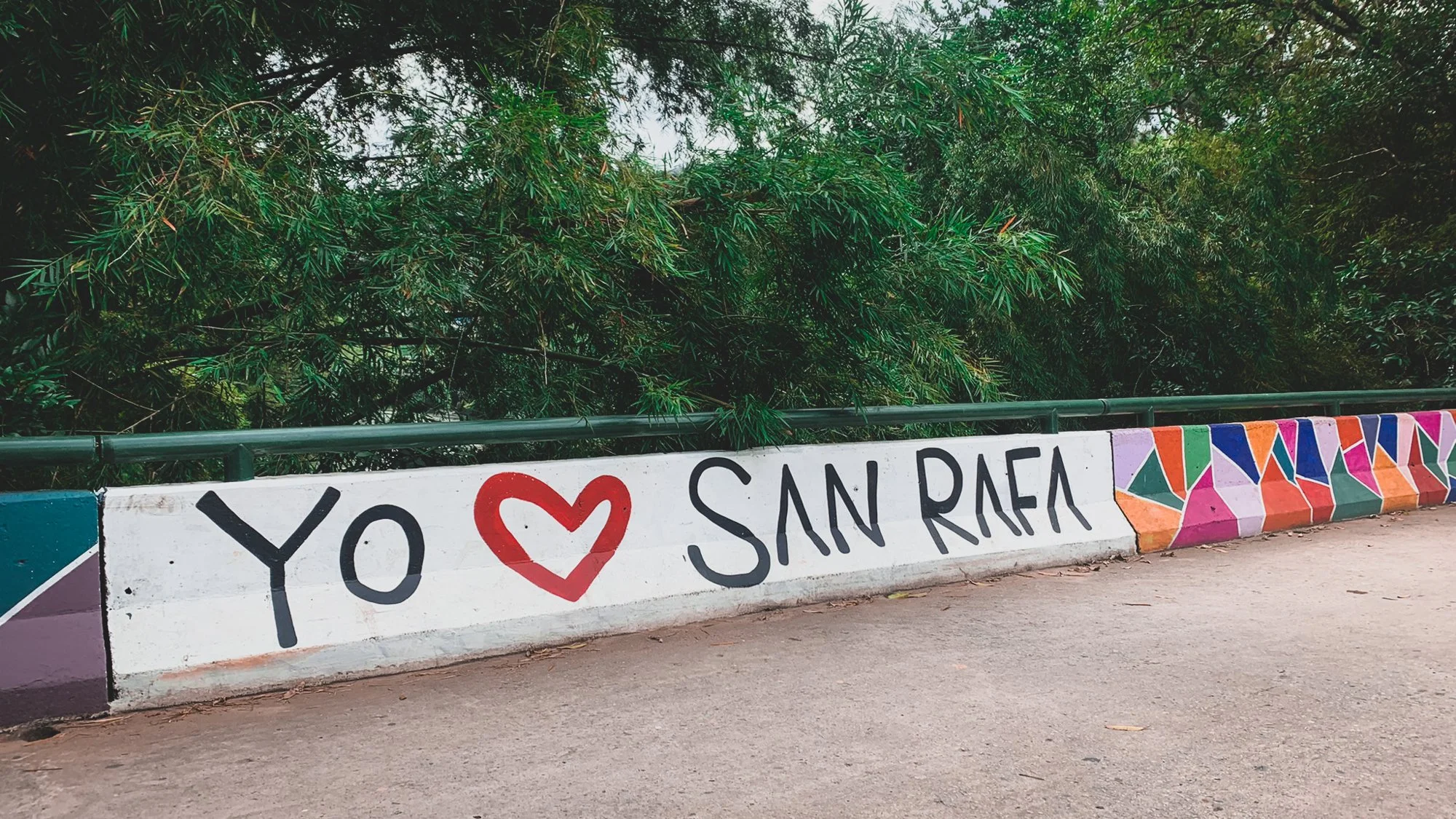
Like most travelers, I started my Colombian backpacking adventure in the big city of Medellin. The most popular day trip from Medellin is a visit to Guatapé, home to the giant rock, El Peñol. And while Guatapé is absolutely beautiful and I highly recommend a visit, what lies beyond this colorful town?
Just 45 minutes down the same highway lies an eco-conscious village based around a sacred river, crystal clear swimming holes, and the charm of an Antioquian community without another tourist in sight: San Rafael, Colombia.
A Wild Ride to San Rafael, Colombia
After spending 24 hours in the whimsical, tourist-friendly town of Guatapé, my partner and I hopped on a bumpy bus from the town’s only station and headed towards the mountains of San Rafael. Most foreigners seemed to be heading back to Medellin, as we were the only non-locals to get on the bus going east.
The bus’ plush seats were comfortable, but the roads were so curvy that one young child got sick on the way. Thankfully, we had ginger pills on hand and an eager desire for adventure that no wild ride could deter us.
It was my suggestion for us to visit San Rafael, as I wanted to witness the true spirit of Antioquia. I sought a romantic escape in the wildness where we could cool off from the heat of the equatorial sun, and get in touch with the nature of the countryside.

Two smiling turistas ready to take on San Rafael, Colombia…
On the bus, a pretty young woman was seated across from me on my right, wearing a long apple red dress and strappy Greek warrior-style sandals. She gave me a big smile, so I began to talk with her in Spanish, though the roar of the bus was loud.
Her name is Francy, she said, born and raised in San Rafael. Her age was difficult to decipher; she looked no older than twenty years old, yet mentioned that the bars in the plaza were lively places to hang out at night. She takes the bus to Guatapé to work in a cafe, popular with tourists, before heading back home in the afternoon to San Rafael.
Per my inquisition, Francy provided me with several recommendations for the best swimming spots and “beaches” to enjoy in San Rafael. The main draw in town is the tranquility of water, from the abundance of waterfalls to the shady river, which also provides a source of hydration for the town.
As the bus pulled up to the main square, we were greeted with the same welcome that we had received from other pueblos in Colombia: the towering Catholic church standing erect in the heart of the plaza, letting us know that we had officially arrived.


Arriving in San Rafael, Colombia
Coffee-drinking cowboys, street-shopping Señoras, busy waitresses bussing outdoor tables, and giddy groups of children gave us our first dose of energy in the sunny square of San Rafael’s principal plaza.
We hopped off the bus, standing out like tall pale gringos with our big backpacks, but I don’t blame the curious glances from folks people-watching as we were likely the only tourists in town. In the corner of my eye, I noticed Francy’s long red dress waving away in the wind, and she gave me one more blissful smirk over her shoulder before disappearing into the crowd. We were now on our own.
But first, it was time to drop off our heavy bags and walk toward our accommodation.
There are basically two options of where you can stay in San Rafael: in town, or in the forest. If you stay in town, you are close to resources like grocery stores and ATMs, and then you can hike on your own to the forest for the day. If you stay in the forest, it will be more of a remote escape, a quiet sanctuary.
We decided to stay in town where we could access food and businesses (and cheaper accommodations) and simply hike to spots around the river.

Video by Julien Dea Routhier of our riverside Airbnb!
Since we arrived in the late afternoon on day one, we simply checked into our Airbnb, stocked up on food from the frutería, and explored the colorful village at sunset, saving the deep forest for the following morning.
At one point after sunset, we witnessed what seemed like hundreds of bikers zooming through the main street, all ages of grinning faces from boys to men to couples on motorcycles, happy to show off their wheelie skills and loud engines. As they paraded past me, a fresh-faced gringa with a camera, they appeared excited to share the electric energy of San Rafael, Colombia. Vamos!
Things to do in San Rafael, Colombia: Local Recommendations
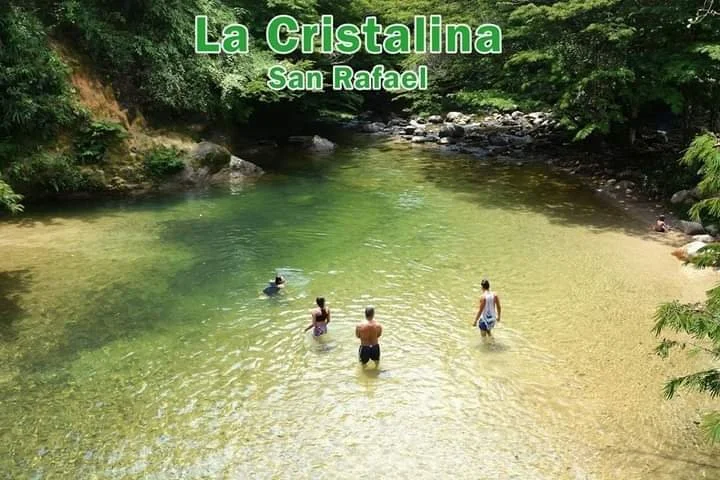
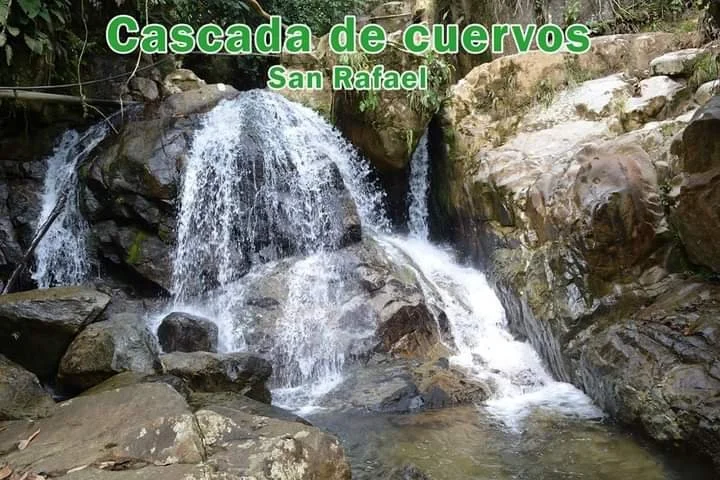
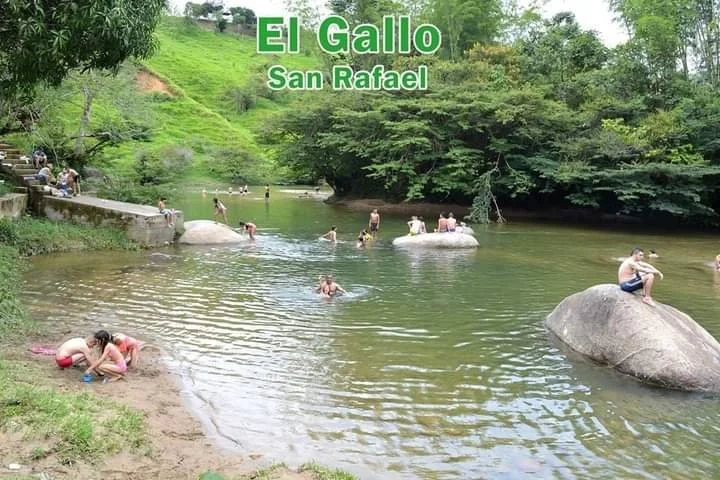
The following local spots were recommended to me upon arrival (not my photos). You can click on each photo to enlarge them.




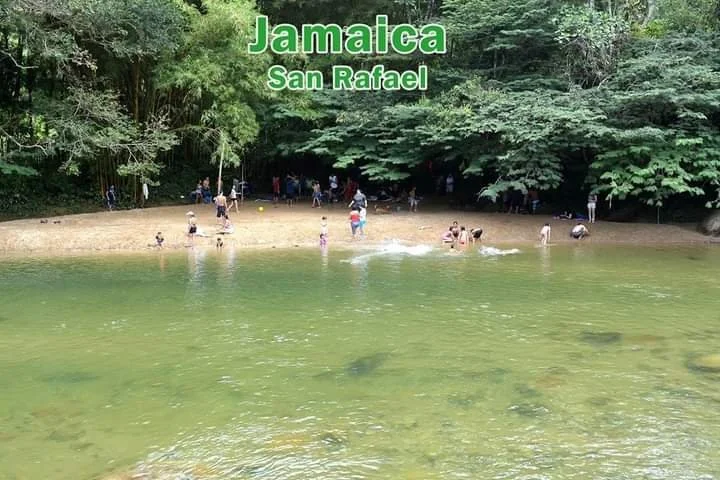

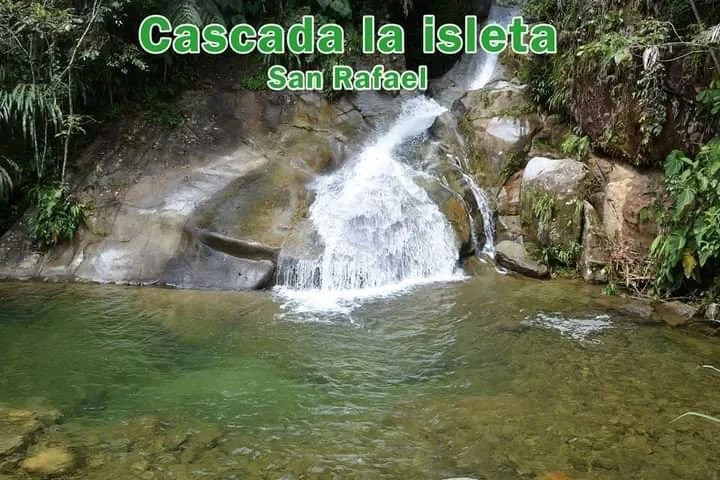
Hiking the Lime Green Forest
The next morning, we packed up our day bags with food and water to enjoy a day hiking under clear skies, with much warmer weather than Guatapé.
Heading south from the town’s center, we walked downhill on steep roads toward three bridges that cross over the big river. All three of these bridges lead to Carrera 26, where we walked west to Calle 15A, the main trail to the forest. This peaceful path for hiking, motorbikes and the occasional taxi is the gateway to most of San Rafael’s hidden oases among the forest. If you walked the entire 24 kilometers, you would reach San Carlos, another quaint town even more remote.
Suspension bridge in San Rafael, Colombia separating the mellow town from the ethereal forest.
As we strolled down Calle 15A, we passed fincas (coffee farms) and eco-lodges that offered a range of accommodation styles, from rustic camping to more luxurious glamping. We peeked our heads in a couple of small cafes, though none were open on this quiet road in the middle of the Colombian forest. We spoke with a friendly man whose post read “multicultural center”, with greetings written in different languages. While his language skills were spotty, we appreciated the effort.
After trekking up and down the hills of the gorgeous forest, we passed by a ‘spa’ that also provided lodging, where we spoke with the owner who offered to show us his riverside business. His name was Carlos, a massage therapist who offers relaxing services along the quiet river outside his house, and he had taken advantage of the sharing economy by converting his place into an Airbnb. While we didn’t opt for any spa treatments, we paid him for a cup of coffee each and enjoyed chatting about the magic of the town.

Silent tranquility emanates from the clear, green rivers of San Rafael, Colombia (but watch out for snakes!)…
Swimming Along the River: Best Beaches and Waterfalls
Back on the trail, we passed by some of the main swimming holes: El Trocadero, our first encounter with lime-green waters that reflect the natural ceilings and walls of leaves.
From El Trocadero, we crossed a concrete bridge that led to hiking trails on the other side, which leads to the waterfall, Cascada La Honda.
Around noon on the weekday, we saw virtually no one else swimming in these inviting waters, besides a few couples. We had every place to ourselves, plus a few curious birds.
The trails and pathways in San Rafael are not necessarily well-marked; the main way to find them is through word-of-mouth. Most of the trails resulted in a do-it-yourself style of trekking, so we turned around a few times and returned to the main road to find more swimming holes.

I took this photo on the bridge over El Trocadero swimming spot.
I was grateful that Francy had shared many photos with me with the names of each beach. However, my navigation with offline maps on the free app maps.me is always essential when I hike (I download the maps beforehand when I have cell service or WiFi).
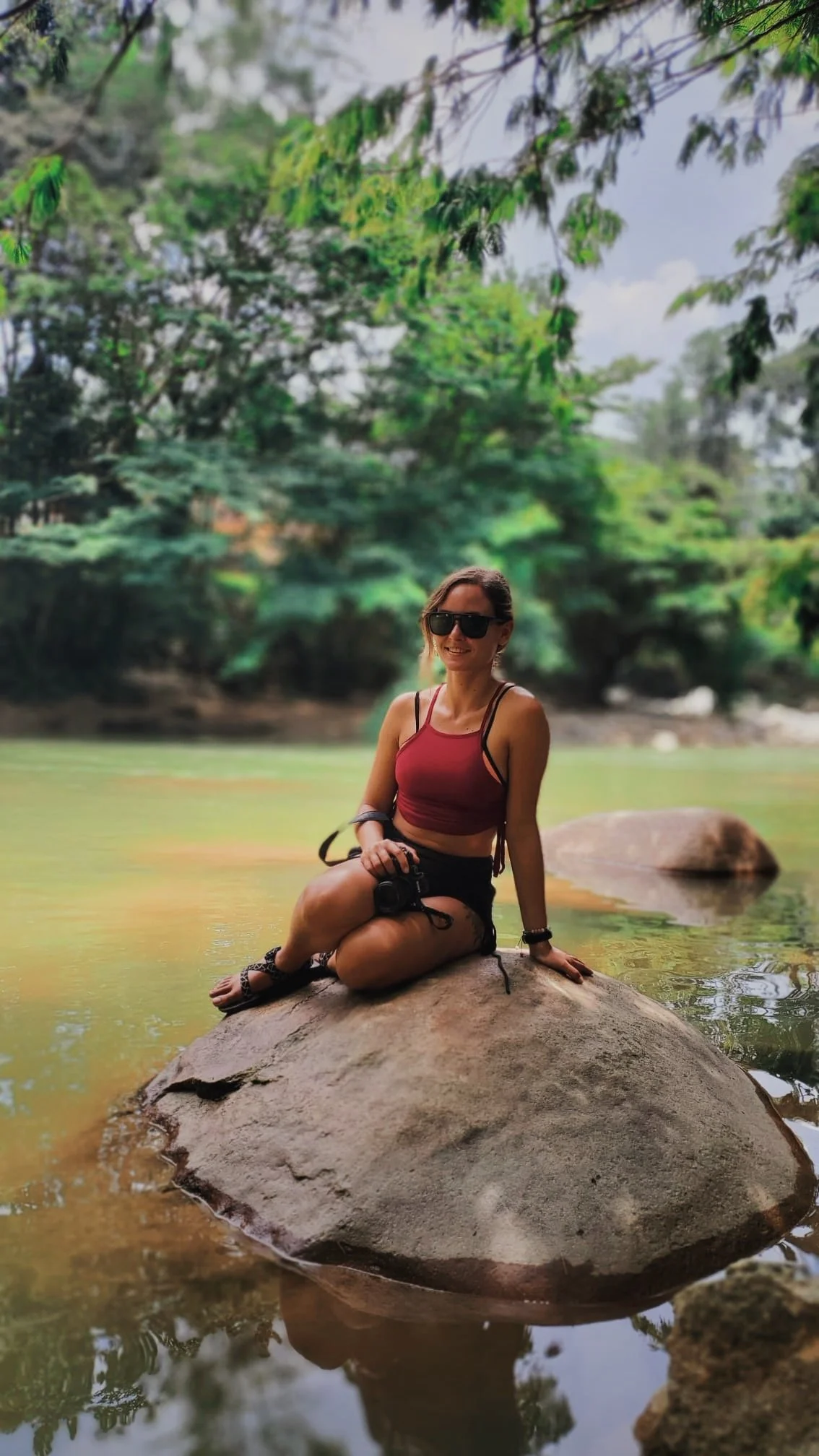
Continuing to walk south, we took pictures at Jamaica beach before reaching our final destination of La Cristalina. We stopped for a beer and snacks at La Cristalina Estadero Y Balneario, where a mother-daughter dynamic duo laughed with us and asked us what the heck we were doing out in the middle of the Colombian forest. They bumped some music for us while we munched by the river and chatted a little with the other patrons, another couple visiting from Medellin.

Witnessing Wildlife Encounters
After a long day of walking, lounging, and wading in shallow waters, it was time to return to the main town, but we decided to take a different path, towards Playa Del Rio Arenal. This way would never take us back safely, but we didn’t realize it just yet.
At first, we spotted and played with a cute couple, two ducks! The male and female swam right up to us to say hi (they probably just wanted some food).


Our second round of harmless animal encounters involved trekking past a pasture of cows, in typical Colombian fashion.
Finally, we had a little scare: witnessing the largest snake I’ve ever seen in the wild, chilling in the river and guarding his territory. While Julien began to take photos, the snake uncurled and darted towards him. I was long gone by this time, not risking my life for a photo op - but I’ll admit, it was cool to see in the wild (from a distance). Don’t ask me what type of snake it was, but he certainly looked territorial.
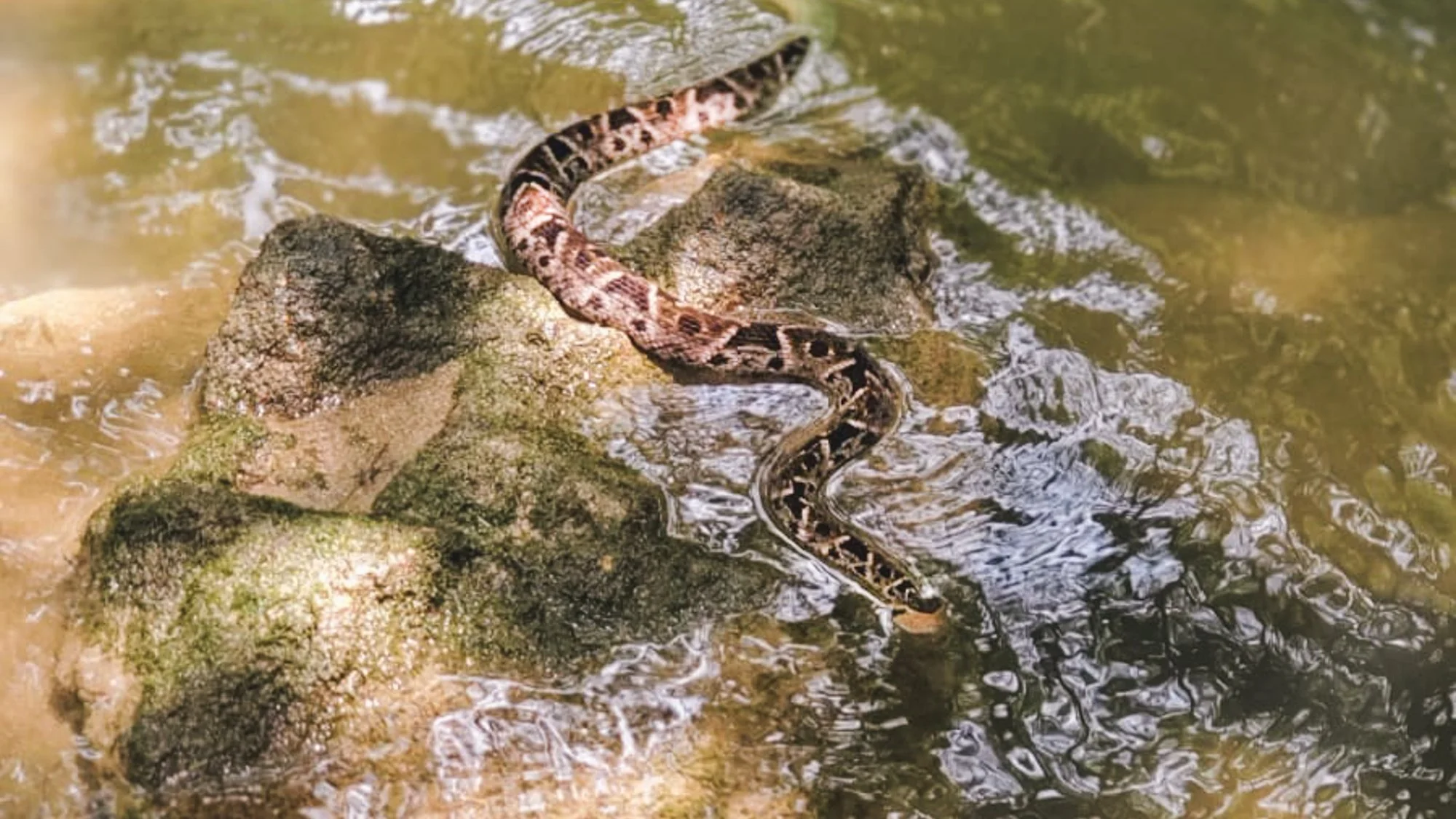
A river snake chilling in the waters near Playa del Rio Arenal, a hiking area in San Rafael. Thanks Juien for the photo (I ain’t going near that slithering beauty).
Ultimately, it turned out that the soft sand trail we tried to take back became nothing but river and scratchy brush, so the best way to return home was to simply take the main road. We could have hailed a taxi passing by, but the hike was just a few kilometers and we chose to keep walking until we were back home in our cozy waterfront apartment.
Visiting a Nature Reserve
While we didn’t choose this option, a popular activity I had researched in San Rafael is visiting Reserva Natural Zafra, a nature reserve that offers lodging and eco-experiences.
These experiences include:
Learning about the artisanal production of bee honey and visiting the apiary
Understanding conservation efforts while hiking trails with a guide
Tasting cacao and learning about the chocolate production process from plant to kitchen
Visiting the food production area of the reserve to learn about permaculture
If I visit San Rafael again, I will consider this option, but I’m lucky to say that I had a chance to explore similar activities in other parts of Colombia already.
Participating in Adventure Activities
We weren’t so daring, but other chances to play in San Rafael consisted of water activities in the river.
Tubing, kayaking, and rafting can be set up with local tour companies when you arrive; there aren’t many options to book directly online.
Tips for Traveling in San Rafael, Colombia
2. Prepare for the very curvy bus ride. You will want to take motion sickness pills with you.
3. Download maps.me for offline access to trails and roads as they can get confusing (you have to download the maps beforehand).
- 4. Consider practicing Spanish with a native speaker online before you arrive, because not many people speak English in small towns like San Rafael, Colombia. Even though I took Spanish in school, the website italki prepared me so much to practice and understand real Spanish with a teacher, for as low as $5/hour per video call. It helps take away the nerves in speaking, so you’ll be ready to chat in real life - plus, my teacher clarified errors I’ve been making for years in just the first session (thanks, Juan!). The best part is that you can filter teachers by country, if you just want to practice Colombian Spanish, for example.
Try a trial lesson or two on italki!
- 5. Money: You will mostly use cash for purchases in San Rafael. However, there are ATMs in town. For all other credit card purchases in Colombia, make sure you have a credit card with no foreign transaction fees (I use Chase, and you get money back on every purchase).
- 6. Safety: I felt very safe in San Rafael, but it's always necessary to be mindful of yourself and your belongings. I carry an anti-theft purse to safeguard from theft.
How to Get to San Rafael from Medellin or Guatape
Bus from Medellin to San Rafael:
To get from Medellin to San Rafael, take the metro or a taxi / Uber to Medellin Terminal del Norte. Purchase a bus ticket from companies Sotrapeñol or Sotrasanvicente to San Rafael. It should cost 24,000 COP. The bus ride is 3 hours. Good to go!
Another option is to purchase the ticket online beforehand, if you prefer, on redbus.com.
If you want to stop in Guatapé on the way, you will buy a ticket to Guatapé in the same way, but it will only cost 17,000 COP. You can simply buy the ticket to San Rafael later in Guatape with cash, no problem.
Bus from Guatapé to San Rafael:
To get from Guatapé to San Rafael, you will just pay in cash at Terminal de Guatapé. The bus schedule is posted at the ticket booth, but most leave every half hour or every hour. The ride takes 45 minutes.
Return from San Rafael to Guatapé or Medellin:
The buses leave from San Rafael’s main plaza every hour on the hour. There is no ticket booth. Just arrive a few minutes before and you can pay the driver in cash.
Where to Stay in San Rafael, Colombia
Where to stay in town:
Airbnb has many affordable options in town, and you can simply walk from the bus stop. We stayed in this loft with a fantastic river view.
Where to stay in the forest:
Ritmo del Rio hostel/lodge was my top choice I researched if I had stayed in the forest (maybe it happened in a parallel universe). They have rustic accommodations with very affordable dorms or private cabins. Their restaurant serves organic food grown on the property, and you are next to the beautiful river and trails.
Staying at Zafra Nature Reserve is a unique option if you are traveling with another person. Their cabin accommodations cost a little more but include organic meals, and you have the option to participate in their mini-tours and experiences while staying right on the reserve.
What to Pack for San Rafael, Colombia
Surprisingly, we didn’t need mosquito repellant. However, you will find use for:
- Hiking boots or good walking shoes
- Swimsuit
- Waterproof backpack
- GoPro or Waterproof phone case for water activities
- Ginger pills / anti-motion sickness meds for the bus ride
Since you’re probably visiting many other regions of Colombia, don’t miss my top recommendations for what to pack for this diverse country in my complete packing list.

pack for colombia
What to Wear, Essential Gear, and More
Conclusion: Visiting San Rafael, Colombia for the Spirit
San Rafael, Colombia gives off a spiritual, holistic vibe that welcomes travelers seeking to connect with the environment.
As a model of ecological tourism, this tight-knit pueblo in the mountains offers many opportunities to taste the harvest of organic farming, conserve resources through permaculture, relish in the healing waters of calm rivers, and appreciate the beauty of the protective trees.
We stayed for a total of two nights, which made the visit relaxing, leaving time to meditate and experience the present moment. I hope you find the same spiritual solace in this hidden oasis as well. Feel free to let me know how it goes in the comments below, and don’t be afraid to get lost.
hi wolfette, i’m molly
Travel is a spiritual experience for me, especially when adventuring solo.
After visiting 6 continents on my own, I’ve dedicated this project to assisting other Lone Wolfettes on their journeys.
I hope my travel guides help you find the same joy, connection, and empowerment that exploring our planet has given me.
Related Articles


This article may contain affiliate links. As an Amazon Associate, I earn a small commission from qualifying purchases, at no additional cost to you.
However, I only recommend products or services that I find valuable for myself and other Lone Wolfettes along our travel journeys. Thank you for supporting this blog!

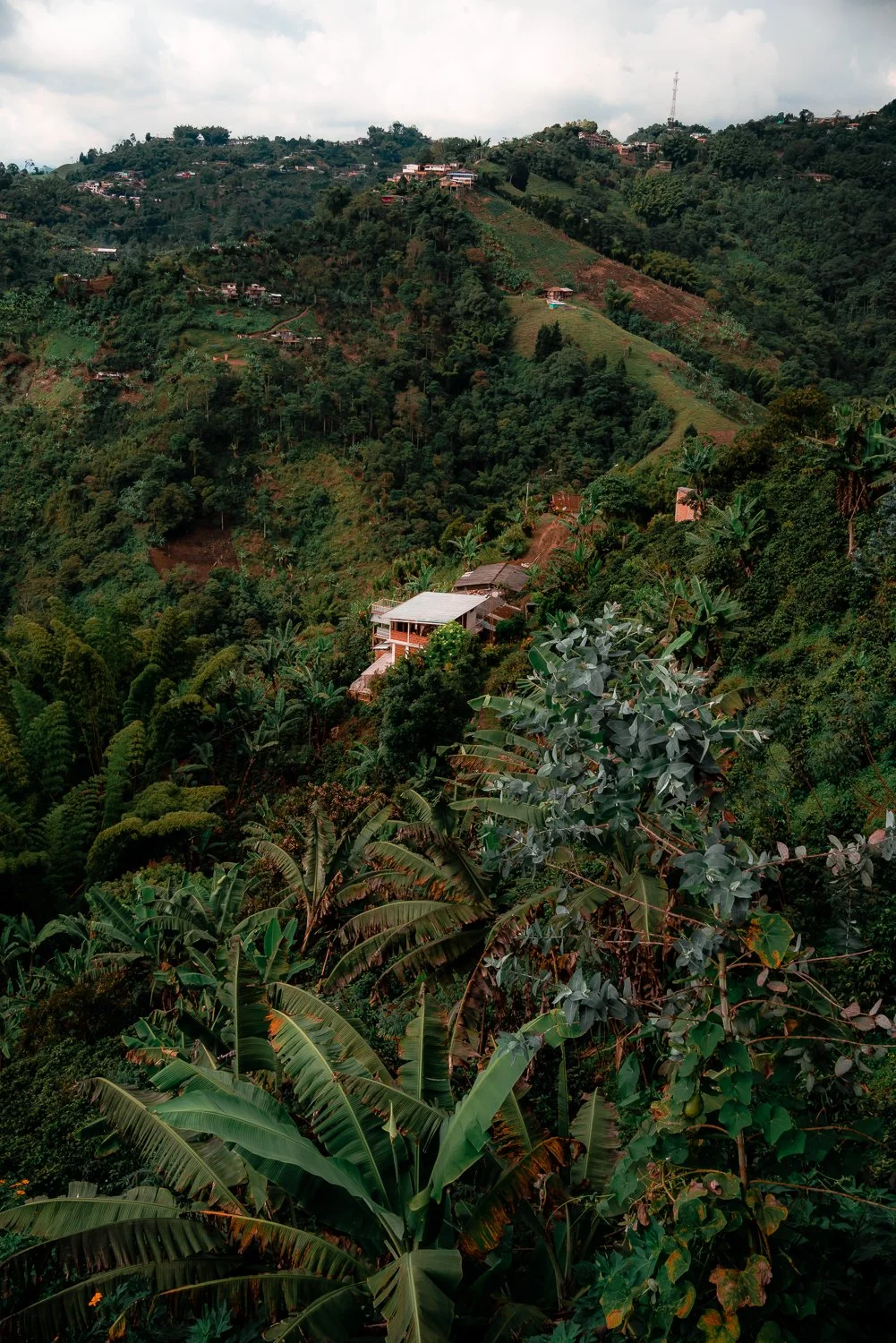
Waterfalls, hiking trails, and sanctuaries - browse the top local spots and best things to do in my guide to Antioquia's forested village.